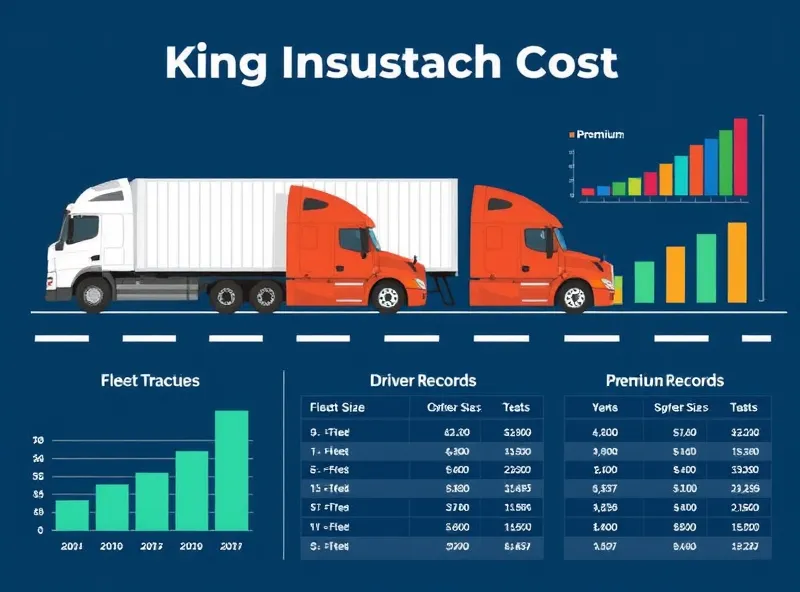
Trucking Insurance Cost Factors and Premium Analysis
Understanding the complex factors that influence trucking insurance premiums is essential for fleet operators seeking to optimize their coverage costs while maintaining comprehensive protection for their operations.
Primary Cost Factors in Trucking Insurance
Trucking insurance premiums are determined by a sophisticated analysis of risk factors that insurance carriers use to predict the likelihood and severity of future claims. Unlike personal auto insurance, commercial trucking insurance involves numerous complex variables that reflect the unique operational characteristics and risk profiles of different transportation companies.
Insurance underwriters evaluate these factors using actuarial data, industry statistics, and advanced modeling techniques to establish premium rates that accurately reflect risk while remaining competitive in the marketplace. Understanding these factors enables trucking companies to make strategic decisions that can significantly impact their insurance costs.
Fleet Size and Composition
Scale Economics: Larger fleets typically benefit from economies of scale, receiving better per-unit rates due to the law of large numbers. Insurance carriers can better predict loss ratios across larger vehicle populations, reducing uncertainty and enabling more competitive pricing.
Vehicle Mix: The types of vehicles in your fleet significantly impact premium calculations. Class 8 tractor-trailers carry higher premiums than smaller delivery trucks due to their potential for causing more severe damage in accidents. Specialized equipment such as tankers, flatbeds, or refrigerated units may face additional surcharges.
Vehicle Age and Condition: Newer vehicles with advanced safety features often qualify for premium discounts, while older trucks may face surcharges due to increased breakdown risk and reduced safety technology. The average age of your fleet is a key underwriting factor.
Driver-Related Factors
Experience Levels: Driver experience is one of the most significant factors in trucking insurance pricing. New drivers or those with less than two years of commercial driving experience can increase premiums by 25-50% or more, while experienced drivers with clean records contribute to lower fleet-wide rates.
Safety Records: Motor Vehicle Records (MVRs) are thoroughly reviewed during underwriting, with recent violations, accidents, or citations resulting in premium increases. DUI convictions, reckless driving charges, and serious traffic violations can make drivers uninsurable with some carriers.
Training and Certification: Professional driver training certifications, defensive driving course completions, and ongoing safety education can qualify for premium discounts. Many carriers offer specific discounts for graduates of approved truck driving schools.
Operational Risk Factors
Cargo Types and Commodities
Hazardous Materials: Transporting hazardous materials significantly increases insurance costs due to heightened risk exposure. Carriers specializing in hazmat transport can face premiums 50-100% higher than general freight haulers, with additional requirements for specialized coverage and higher liability limits.
High-Value Cargo: Electronics, pharmaceuticals, and other high-value commodities increase cargo theft risk and require higher coverage limits. These factors contribute to increased premiums for both liability and cargo coverage.
Fragile or Perishable Goods: Temperature-sensitive or fragile cargo creates additional liability exposure for damage claims, resulting in higher premiums for companies specializing in these services.
Operating Territory and Routes
Geographic Risk Zones: Operating territories significantly impact premium costs, with urban areas typically commanding higher rates due to increased traffic density, higher accident rates, and more expensive repair costs. Rural operations generally face lower premiums but may have limited carrier options.
Interstate vs. Intrastate Operations: Interstate carriers face additional regulatory requirements and diverse state law considerations, often resulting in higher premiums. The specific states included in your operating authority affect pricing based on their individual risk profiles and regulatory environments.
Route Characteristics: Regular routes through high-crime areas, severe weather zones, or challenging terrain can increase premiums. Carriers that operate primarily on major interstates may receive better rates than those frequently using secondary roads or urban surface streets.
Company Safety Performance
DOT Safety Ratings: Federal Motor Carrier Safety Administration (FMCSA) safety ratings directly impact insurance costs. Companies with "Satisfactory" ratings receive the best rates, while "Conditional" or "Unsatisfactory" ratings can result in significant premium increases or policy cancellations.
CSA Scores: Compliance, Safety, Accountability (CSA) scores in areas such as unsafe driving, crash indicator, and vehicle maintenance affect premium calculations. High CSA scores in any category can trigger rate increases or additional underwriting scrutiny.
Claims History: Past insurance claims significantly impact future premium costs. Frequency and severity of claims over the previous 3-5 years are carefully analyzed, with companies maintaining clean claims records receiving substantially better rates.
Coverage Selection Impact on Costs
Liability Limits and Coverage Types
Minimum vs. Excess Coverage: While DOT minimum liability requirements provide a baseline, many successful trucking companies carry limits well above minimums to protect their assets. Higher limits increase premiums but provide crucial protection against catastrophic claims that could threaten business survival.
Combined Single Limit vs. Split Limits: Combined single limit policies typically offer better protection and may provide modest premium savings compared to split limit structures. The flexibility of combined limits often justifies any premium difference.
Additional Coverage Options: Optional coverages such as environmental cleanup, cargo liability, and non-trucking liability add to premium costs but provide essential protection for comprehensive risk management programs.
Deductible Strategies
Collision and Comprehensive Deductibles: Higher physical damage deductibles can significantly reduce premiums, with some carriers offering substantial discounts for deductibles of $5,000 or higher. Companies should balance premium savings against their ability to absorb deductible costs.
Liability Deductibles: Some carriers offer liability deductibles that can reduce premiums while requiring the insured to pay the first portion of covered claims. This approach works best for companies with strong safety programs and adequate cash reserves.
Industry-Specific Cost Variations
Long-Haul vs. Local Delivery
Long-Haul Operations: Over-the-road carriers typically face higher premiums due to increased mileage exposure, driver fatigue risks, and diverse operating environments. However, highway operations may have lower accident rates per mile than urban delivery operations.
Local and Regional Delivery: Local delivery operations face different risk profiles, with more frequent stops, increased backing accidents, and pedestrian exposure. Premium calculations consider delivery frequency, urban density, and specific operational characteristics.
Specialized Transportation Segments
Auto Transport: Car haulers face unique risks including cargo damage, theft exposure, and loading/unloading accidents. Specialized coverage and higher premiums reflect these specific risk factors.
Heavy Haul and Oversized Loads: Specialized equipment and permit requirements create additional liability exposure, resulting in higher premiums. The complexity of route planning and escort requirements adds to operational costs and insurance considerations.
Refrigerated Transport: Temperature-controlled cargo creates additional liability for spoilage and equipment failure, typically resulting in higher premiums for both liability and cargo coverage.
Cost Reduction Strategies
Safety Program Implementation
Driver Training and Monitoring: Comprehensive driver training programs, including defensive driving courses, safety meetings, and ongoing education, can qualify for significant premium discounts. Many carriers offer discounts of 5-15% for companies with documented training programs.
Vehicle Maintenance Programs: Documented preventive maintenance programs reduce breakdown risks and demonstrate operational professionalism to underwriters. Companies with strong maintenance records often receive premium discounts and improved claims service.
Safety Technology Adoption: Electronic logging devices, collision avoidance systems, lane departure warnings, and dash cameras can qualify for premium discounts while reducing accident frequency and severity.
Fleet Management Optimization
Driver Retention Programs: Reducing driver turnover through competitive compensation, benefits, and working conditions can significantly impact insurance costs. Experienced, familiar drivers represent lower risk than constantly changing driver pools.
Route Optimization: Efficient route planning that minimizes time in high-risk areas, reduces total mileage, and avoids known accident corridors can contribute to lower premiums over time through improved loss experience.
Vehicle Specification Decisions: Selecting trucks with advanced safety features, automated transmissions, and stability control systems can qualify for premium discounts while improving overall safety performance.
Market Conditions and External Factors
Insurance Market Cycles
Hard vs. Soft Markets: Insurance markets undergo cyclical changes that significantly impact premium costs. Hard markets feature rising premiums, stricter underwriting, and reduced capacity, while soft markets offer more competitive pricing and relaxed underwriting standards.
Capacity Considerations: The number of insurance carriers willing to write trucking business affects pricing and availability. Reduced carrier participation typically leads to higher premiums and more selective underwriting.
Regulatory Changes
Federal Regulation Updates: Changes to DOT regulations, hours of service rules, and safety requirements can impact insurance costs. Electronic logging device mandates, for example, initially increased costs but may ultimately reduce premiums through improved safety data.
State-Level Variations: Different states have varying insurance requirements, legal environments, and claim costs that affect premium calculations for companies operating across state lines.
Technology's Impact on Pricing
Telematics and Usage-Based Insurance
Real-Time Monitoring: Advanced telematics systems provide detailed data on driver behavior, vehicle performance, and route efficiency. Insurance carriers increasingly use this data to offer usage-based insurance programs that reward safe driving with lower premiums.
Predictive Analytics: Machine learning algorithms analyze vast amounts of operational data to predict risk more accurately, enabling more precise premium calculations and potentially more favorable rates for well-managed fleets.
Safety Technology Integration
Active Safety Systems: Collision mitigation systems, automatic emergency braking, and blind spot monitoring are increasingly recognized by insurance carriers with premium discounts. These technologies demonstrably reduce accident frequency and severity.
Fleet Management Software: Comprehensive fleet management systems that monitor driver performance, vehicle maintenance, and compliance can provide data valuable for insurance underwriting and potential premium reductions.
Financial Planning and Budget Management
Premium Payment Strategies
Annual vs. Monthly Payments: Many carriers offer discounts for annual premium payments, typically saving 5-10% compared to monthly payment plans. Companies should evaluate cash flow implications against potential savings.
Premium Financing Options: Premium financing can help companies manage cash flow while maintaining necessary coverage. Interest costs should be weighed against the benefits of preserving working capital for operational needs.
Insurance as a Business Investment
Total Cost of Risk: Successful trucking companies view insurance as part of their total cost of risk, including premiums, deductibles, retained losses, and risk management program costs. This holistic approach often leads to better long-term financial outcomes.
Coverage Adequacy Analysis: Regular reviews of coverage adequacy ensure protection keeps pace with business growth and asset values. Underinsuring to save premiums can result in catastrophic financial exposure.
Working with Insurance Professionals
Specialized Agent Selection
Trucking Industry Expertise: Working with agents and brokers who specialize in trucking insurance ensures access to appropriate markets and coverage options. Specialized professionals understand industry-specific risks and can negotiate better terms.
Market Access: Experienced trucking insurance professionals maintain relationships with multiple carriers, providing access to competitive markets and alternative coverage options when standard markets become challenging.
Ongoing Relationship Management
Regular Policy Reviews: Annual policy reviews ensure coverage remains appropriate as business operations evolve. Changes in fleet size, operating territory, or cargo types may require coverage adjustments and premium recalculations.
Claims Advocacy: Professional insurance representatives provide valuable claims advocacy, helping ensure fair claim settlements and maintaining positive carrier relationships that can impact future renewals.
Conclusion
Understanding the complex factors that influence trucking insurance costs enables fleet operators to make informed decisions that optimize their insurance investments while maintaining comprehensive protection. From driver safety records and fleet composition to technology adoption and market conditions, numerous variables interact to determine premium costs.
Successful trucking companies approach insurance cost management strategically, implementing safety programs, investing in technology, and working with specialized professionals to achieve the best possible combination of coverage and cost. While premium costs represent a significant operational expense, proper management of risk factors can result in substantial savings while enhancing overall business performance.
The key to effective cost management lies in understanding that insurance premiums reflect actual risk exposure. Companies that successfully reduce their risk profile through comprehensive safety programs, technology adoption, and operational excellence consistently achieve better insurance costs while building more sustainable, profitable businesses.
Optimize Your Trucking Insurance Costs
Ready to reduce your trucking insurance premiums while maintaining comprehensive coverage? Our insurance experts can analyze your current program and identify cost-saving opportunities specific to your operations.
Get Cost Analysis Today